
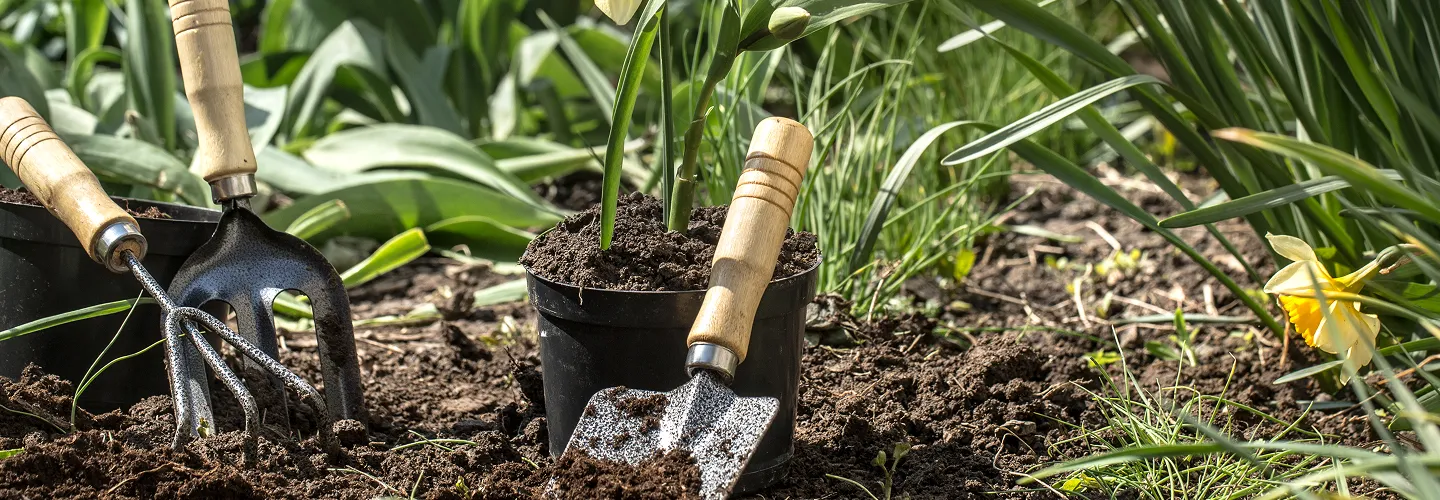
South Windsor Plant Removal Services
Choose our plant removal experts for safe, thorough, and eco-friendly solutions that restore your landscape’s beauty while saving you time and effort.
Get a Free QuoteOur South Windsor Landscaping & Yard Care Services
When to Schedule Plant Removal in South Windsor, Connecticut – Seasonal Guide
In South Windsor, Connecticut, timing your plant removal is crucial for both the health of your landscape and compliance with local guidelines. The optimal periods are typically late fall after the first frost or early spring before new growth begins. These windows take advantage of dormant plant cycles, making removal less disruptive to surrounding vegetation and minimizing regrowth. South Windsor’s climate, with its cold winters and humid summers, means that soil conditions and plant vitality can vary significantly throughout the year. Neighborhoods near Nevers Park or along Ellington Road may experience different microclimates, so it’s important to consider your specific location. Factors such as late spring frosts, summer drought risk, and the region’s well-drained but sometimes rocky soils all play a role in determining the best time for removal. Additionally, shade coverage from mature trees in areas like Avery Street can affect how quickly soil dries out after rain, impacting accessibility and safety. For more information on local environmental considerations, visit the Sudbury town resources.
Local Factors to Consider for Plant Removal in South Windsor
- Tree density and canopy coverage, especially in established neighborhoods
- Terrain and soil type, including rocky or clay-heavy areas
- Seasonal precipitation and drainage patterns
- Frost dates and risk of late or early freezes
- Municipal restrictions or permit requirements
- Proximity to landmarks such as Nevers Park or the Connecticut River
- Drought risk during summer months
- Accessibility for equipment in shaded or densely planted lots
Benefits of Plant Removal in South Windsor
Expert Landscaping Team
Efficient Plant Removal
Eco-Friendly Disposal
Improved Curb Appeal
Customized Landscaping Solutions
Competitive Local Pricing
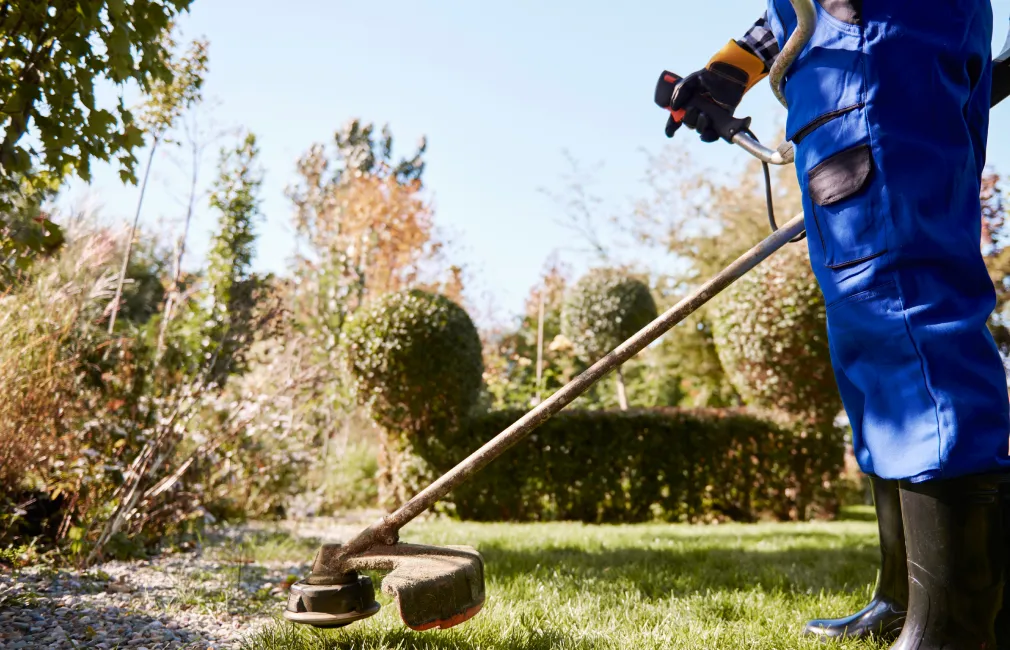
South Windsor Plant Removal Types

Tree Removal
-
Shrub Removal
-
Stump Grinding
-
Hedge Removal
-
Invasive Species Removal
-
Root System Extraction
-
Overgrown Plant Clearing
Our Plant Removal Process
Site Evaluation
Preparation and Safety Measures
Plant Extraction
Debris Removal
Site Restoration
Why Choose South Windsor Landscape Services
-
South Windsor Homeowners Trust Us
-
Expert Lawn Maintenance
-
Reliable Seasonal Cleanups
-
Competitive Pricing
-
Professional Team
-
Satisfaction Guarantee
-
Personalized Service
South Windsor’s Plant Removal Ordinances and Permit Requirements
Plant removal activities in South Windsor are governed by specific municipal ordinances to ensure public safety, environmental protection, and neighborhood standards. Removal of trees over 6 inches in diameter at breast height (DBH) or any vegetation within 50 feet of wetlands requires a permit from the town. Application fees typically range from $25 to $75, with a review period of 5-10 business days. Equipment operation is permitted:
- Monday-Friday: 7:00 AM - 7:00 PM
- Saturday: 8:00 AM - 6:00 PM
- Sunday and holidays: Prohibited
All debris must be disposed of according to town guidelines, prohibiting dumping in storm drains or wetlands. For permit applications and ordinance details, coordinate with the municipal office below.
South Windsor Building Department
1540 Sullivan Avenue, South Windsor, CT 06074
Phone: (860) 644-2511
Official Website: South Windsor Building Department
Soil Series and Site Conditions Affecting Plant Removal in South Windsor
South Windsor’s landscape is characterized by soils such as Paxton and Montauk fine sandy loams, derived from glacial till and known for moderate to poor drainage and a pH range of 5.5-6.5. These soils often present challenges for plant removal, including:
- Shallow topsoil over compacted subsoil
- Seasonal water tables at 12-18 inches
- Rocky inclusions requiring specialized equipment
Before removal, it is recommended to conduct a soil test through UConn Extension (typical cost: $15-25) to determine amendment needs and minimize site disturbance. For detailed soil mapping, consult the USDA Web Soil Survey. Proper site assessment helps prevent erosion and ensures compliance with local buffer requirements, such as maintaining a 25-foot no-disturbance zone from wetlands.
Environmental Compliance: Wetlands, Stormwater, and State Regulations in South Windsor
Plant removal near South Windsor’s wetlands, streams, and conservation areas is subject to both local and state environmental regulations. The Connecticut Environmental Protection Act and the town’s MS4 stormwater permit prohibit the discharge of soil, debris, or chemicals into storm drains or water bodies. Key compliance steps include:
- Maintain a 25-foot buffer from all wetlands
- Use biodegradable debris bags for collection
- Prohibit fertilizer or pesticide application within 50 feet of water bodies
Violations may result in fines or permit revocation. For guidance on protected areas and compliance, contact:
South Windsor Conservation and Inland Wetlands Commission
1540 Sullivan Avenue, South Windsor, CT 06074
Phone: (860) 644-2511
Official Website: South Windsor Conservation and Inland Wetlands Commission
Statewide, oversight is provided by:
Connecticut Department of Energy and Environmental Protection
79 Elm Street, Hartford, CT 06106
Official Website: Connecticut Department of Energy and Environmental Protection
Municipal Debris Collection and Disposal Procedures for Plant Removal
South Windsor operates a structured yard waste collection program to manage plant removal debris. Collection occurs every Thursday from April through November. Residents must use biodegradable paper bags or reusable bins (32-gallon maximum). The following materials are accepted:
- Leaves, grass clippings, and brush under 4 feet in length
- Branches up to 4 inches in diameter
- No plastic bags or oversized debris
Improper disposal, such as dumping in storm drains or public spaces, is prohibited under local ordinance. For large-scale removals, residents may schedule special pickups or utilize the town’s transfer station. For collection schedules and disposal guidelines, contact:
South Windsor Department of Public Works
1540 Sullivan Avenue, South Windsor, CT 06074
Phone: (860) 644-2511
Official Website: South Windsor Department of Public Works
Safety Protocols and Equipment Standards for Plant Removal in South Windsor
All plant removal operations in South Windsor must adhere to municipal safety standards and equipment regulations. Operators are required to use:
- Eye protection: ANSI Z87.1 safety glasses
- Hearing protection: Earmuffs or plugs for noise above 85 dB
- Footwear: Steel-toed, non-slip boots
- Gloves: Cut-resistant for pruning, chemical-resistant for applications
Maintain a 15-foot clearance from overhead utilities and follow traffic control protocols when working near public roads, including advance warning signage and safety cones. Equipment must be commercial-grade and maintained to minimize noise and emissions. For technical standards and safety requirements, consult:
South Windsor Department of Public Works
1540 Sullivan Avenue, South Windsor, CT 06074
Phone: (860) 644-2511
Official Website: South Windsor Department of Public Works
What Neighborhoods Do We Serve Throughout South Windsor, CT?
- Wapping: Features mature tree canopies and older homes, requiring careful removal near established root systems and compliance with historic district guidelines.
- Pleasant Valley: Characterized by floodplain soils and proximity to the Podunk River, necessitating strict adherence to wetland buffer regulations and seasonal access considerations.
- Ellington Road Corridor: Includes commercial and residential properties with compacted soils and high traffic, demanding specialized equipment and coordination for debris removal.
- East Windsor Hill: Known for historic properties and large lots, with unique zoning requirements and frequent need for permits for significant plant removal.
- Avery Street Area: Suburban developments with newer landscaping, where HOA rules may dictate removal methods and disposal practices.
- Sullivan Avenue Vicinity: Mixed-use area with utility easements and overhead lines, requiring extra safety precautions and traffic management during removal operations.
- Buckland Road District: Rapidly developing area with construction-related soil disturbance, making erosion control and compliance with municipal standards essential.