
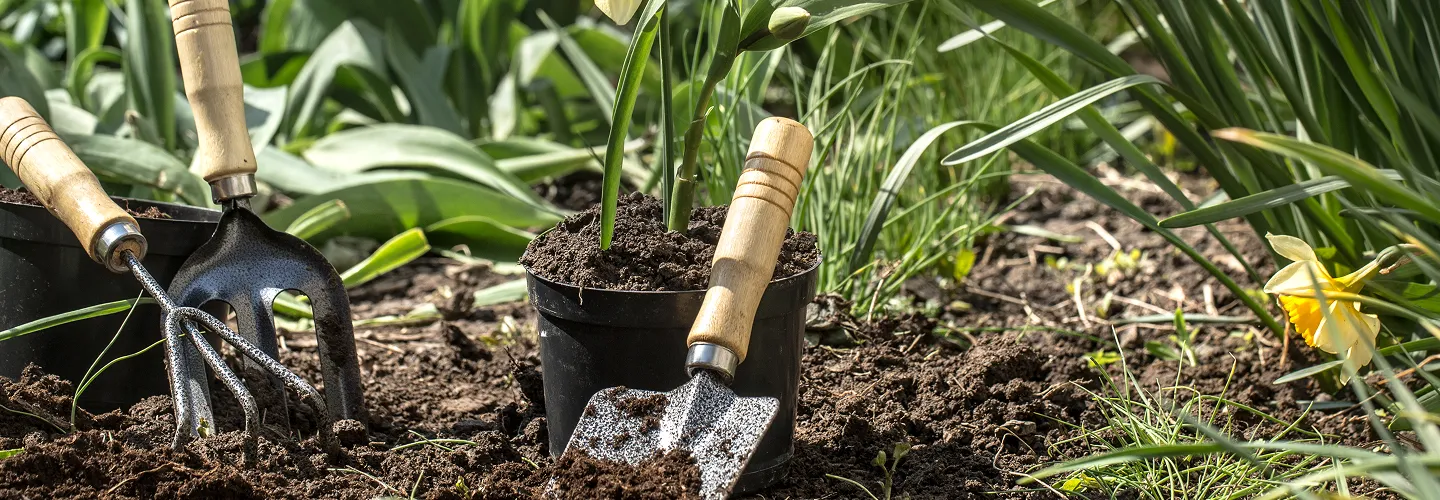
South Windsor Lawn Leveling Services
Choose our professional lawn leveling services for a healthier, more beautiful yard—enjoy improved drainage, easier mowing, and a flawless outdoor space tailored to your needs.
Get a Free QuoteOur South Windsor Landscaping & Yard Care Services
When to Schedule Lawn Leveling in South Windsor, Connecticut – Seasonal Guide
In South Windsor, Connecticut, the best time to schedule lawn leveling is typically during late spring or early fall. These seasons offer moderate temperatures and consistent rainfall, which help newly leveled lawns recover and establish healthy growth. The local climate, characterized by cold winters and humid summers, means that working around the last frost date—usually in late April—and before the intense summer heat is crucial for optimal results. Neighborhoods near Nevers Park or along Ellington Road often experience varying shade coverage and soil types, which can influence the timing and approach to lawn leveling.
Local environmental factors such as the risk of summer drought, heavy spring rains, and the prevalence of clay or loam soils in areas like Pleasant Valley all play a role in determining the best schedule. Homeowners should also consider municipal guidelines and any seasonal restrictions, which can be found on the Town of South Windsor’s official site, to ensure compliance and avoid unnecessary delays.
Local Factors to Consider for Lawn Leveling in South Windsor
- Tree density and shade coverage, especially in established neighborhoods
- Soil type (clay, loam, or sandy soils)
- Proximity to wetlands or flood-prone areas
- Typical precipitation patterns and risk of drought
- Terrain slope and drainage characteristics
- Municipal restrictions or seasonal guidelines
Benefits of Lawn Leveling in South Windsor

Enhanced Curb Appeal
Improved Lawn Health
Smoother Mowing Experience
Better Drainage Solutions
Increased Property Value
Professional and Reliable Service
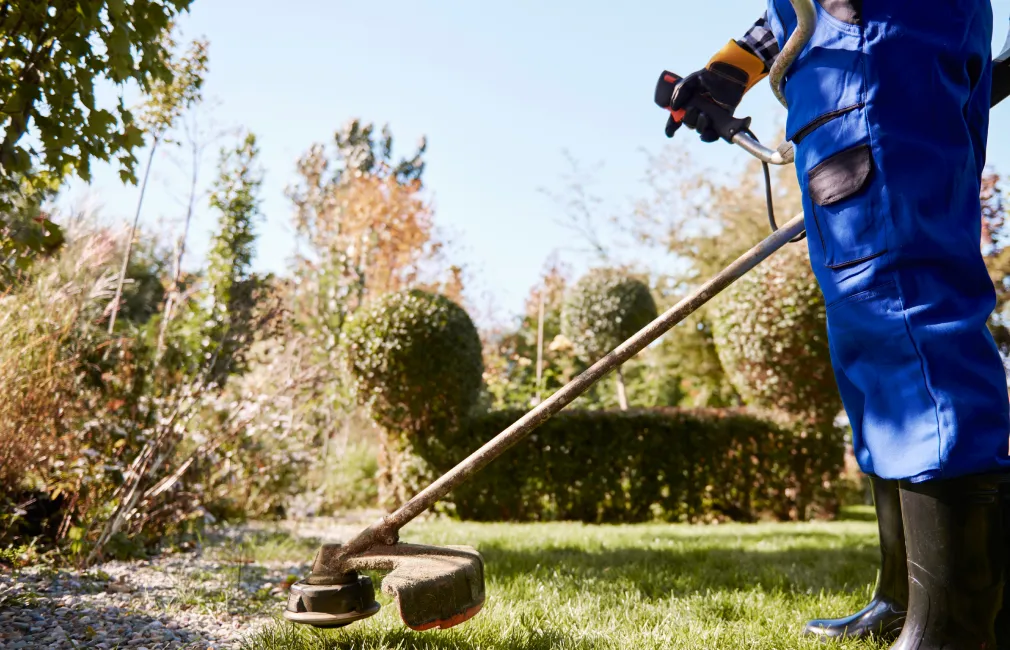
South Windsor Lawn Leveling Types

Topdressing Lawn Leveling
Topdressing involves spreading a thin layer of soil or sand to even out minor bumps and depressions.
-
Fill and Seed Leveling
This method uses soil to fill low spots, followed by reseeding to restore grass coverage.
-
Sod Replacement Leveling
Damaged or uneven sod is removed and replaced to create a smooth, level surface.
-
Grading and Sloping
Adjusting the overall slope of the lawn to improve drainage and prevent water pooling.
-
Core Aeration Leveling
Aeration helps relieve soil compaction and can assist in minor leveling when combined with topdressing.
-
Laser-Guided Lawn Leveling
Advanced laser technology is used to achieve precise and uniform lawn surfaces.
Our Lawn Leveling Process
Site Evaluation
Soil Preparation
Leveling Application
Compaction
Final Inspection
Why Choose South Windsor Landscape Services
-
South Windsor Homeowners Trust Us
-
Expert Lawn Maintenance
-
Reliable Seasonal Cleanups
-
Competitive Pricing
-
Professional Team
-
Satisfaction Guarantee
-
Personalized Service
Addressing South Windsor’s Glacial Till Soils in Lawn Leveling Projects
Lawn leveling in South Windsor requires careful consideration of the region’s predominant glacial till soils, which are classified as Inceptisols and Ultisols according to the USDA Web Soil Survey. These soils are often rocky, moderately acidic (pH 5.5-6.5), and can exhibit poor drainage, especially in low-lying areas. Effective lawn leveling should include removal of surface stones, incorporation of screened topsoil, and amendments such as lime for pH adjustment below 6.0. Soil compaction is common in developed neighborhoods, necessitating core aeration to a depth of 2-3 inches prior to leveling. For accurate soil analysis, residents are encouraged to utilize UConn Extension soil testing services (typical cost: $15-25 per sample). Proper grading must maintain a minimum 2% slope away from structures to prevent water pooling and comply with local drainage ordinances.
South Windsor Engineering Department
1540 Sullivan Avenue, South Windsor, CT 06074
Phone: (860) 644-2511
Official Website: South Windsor Engineering Department
Municipal Coordination and Lawn Leveling Permit Requirements in South Windsor
All significant lawn grading or leveling activities in South Windsor must comply with local ordinances and may require permits, particularly when altering drainage patterns or working near wetlands. The South Windsor Building Department oversees permit applications for earthwork exceeding 50 cubic yards or within 100 feet of regulated wetlands. Application fees typically range from $50 to $150, with a review period of 5-10 business days. Residents must submit a site plan indicating proposed grading, drainage flow, and erosion control measures. For properties adjacent to wetlands, a 25-foot no-disturbance buffer is enforced, and additional review by the Conservation and Inland Wetlands Commission is required.
- Permit required for grading over 50 cubic yards
- 25-foot buffer from wetlands (no grading allowed)
- Site plan submission mandatory
- Application fee: $50-$150
- Review time: 5-10 business days
South Windsor Building Department
1540 Sullivan Avenue, South Windsor, CT 06074
Phone: (860) 644-2511
Official Website: South Windsor Building Department
Environmental Compliance: Stormwater and Wetland Protections for Lawn Leveling
Lawn leveling in South Windsor must adhere to both local and state environmental regulations to protect water quality and sensitive habitats. The town operates under an MS4 (Municipal Separate Storm Sewer System) permit, which prohibits the discharge of soil, sediment, or lawn debris into storm drains, as mandated by the Clean Water Act and enforced by the Connecticut Department of Energy and Environmental Protection. Erosion control measures, such as silt fencing and straw wattles, are required during grading. No soil or fill may be placed within 25 feet of wetlands or watercourses. Fertilizer and lime applications must be kept at least 50 feet from water bodies. Violations can result in fines up to $1,000 per incident. For guidance on compliance, consult the Conservation and Inland Wetlands Commission.
South Windsor Conservation and Inland Wetlands Commission
1540 Sullivan Avenue, South Windsor, CT 06074
Phone: (860) 644-2511
Official Website: South Windsor Conservation and Inland Wetlands Commission
Optimal Timing and Weather Considerations for Lawn Leveling in South Windsor
South Windsor’s climate falls within USDA Hardiness Zone 6b, with average last frost in late April and first frost in late October. The ideal window for lawn leveling is mid-April through early June or late August through September, when soil temperatures are between 50°F and 65°F and rainfall is moderate. Avoid leveling during July and August due to heat stress and potential drought. Monitor local weather forecasts through the National Weather Service - Boston/Norton Office to schedule work during dry periods, as saturated soils are prone to compaction and erosion. For cool-season grasses such as Kentucky bluegrass (Poa pratensis) and perennial ryegrass (Lolium perenne), reseeding should occur immediately after leveling, with irrigation provided as needed to maintain soil moisture.
- Spring window: April 15 – June 10
- Fall window: August 20 – September 30
- Avoid work during heavy rain or drought
- Monitor soil temperature: 50-65°F
What Neighborhoods Do We Serve Throughout South Windsor, CT?
- Wapping: Characterized by mature subdivisions and compacted glacial till soils, requiring thorough aeration and stone removal before leveling. Drainage improvements are often necessary due to flat topography.
- Pleasant Valley: Features larger lots and proximity to the Podunk River, with periodic flooding and poorly drained soils. Wetland buffer compliance is critical in this area.
- East Windsor Hill: Historic district with older homes, narrow lots, and established shade trees. Soil compaction and root interference are common challenges for leveling.
- Ellington Road Corridor: Newer developments with engineered fill soils and modern drainage infrastructure. Leveling projects must coordinate with HOA guidelines and stormwater management systems.
- Chapel Road Area: Contains a mix of residential and agricultural parcels, with variable slopes and occasional rocky outcrops. Erosion control is essential on steeper sites.
- Sullivan Avenue Commercial District: Commercial and mixed-use properties with high traffic and utility access constraints. Leveling work must account for underground services and limited staging areas.
- Strawberry Fields: Suburban neighborhood with moderate slopes and clay-rich soils, requiring careful grading to prevent water pooling and ensure turf establishment.