
South Windsor Lawn Mowing Services
Choose our lawn mowing service for reliable, professional care that keeps your yard looking its best all season long. We combine local expertise, attention to detail, and top-quality equipment to ensure your lawn is healthy, beautiful, and hassle-free.
Get a Free QuoteOur South Windsor Landscaping & Yard Care Services
When to Schedule Lawn Mowing in South Windsor, Connecticut – Seasonal Guide
In South Windsor, Connecticut, the timing of your lawn mowing schedule is crucial for maintaining a healthy, vibrant yard. The local climate features cold winters with late spring frosts and warm, humid summers, which means the mowing season typically begins in late April or early May and extends through October. Neighborhoods near Nevers Park and the Connecticut River often experience microclimates, so it’s important to monitor soil temperature and grass growth closely. Early spring mowing should be delayed until the risk of frost has passed, as cutting too soon can stress your lawn.
Throughout the summer, South Windsor’s mix of clay and loam soils, combined with periods of high humidity and occasional drought, can impact grass growth rates. Shaded areas, such as those found in Avery Street’s tree-lined properties, may require less frequent mowing compared to open, sun-exposed lawns. It’s also wise to stay informed about any municipal guidelines or watering restrictions, which can be found on the town’s official website, to ensure your lawn care practices are compliant and environmentally responsible.
Local Factors to Consider for Lawn Mowing in South Windsor
- Tree density and shade coverage (e.g., mature maples in the Pleasant Valley area)
- Soil type and drainage (clay vs. loam, especially near the Podunk River)
- Average precipitation and drought risk during summer months
- Frost dates and spring soil temperature
- Terrain and slope, particularly in hilly neighborhoods
- Municipal restrictions or local ordinances on mowing and watering
Benefits of Lawn Mowing in South Windsor
Professional Lawn Care Expertise
Consistent and Reliable Scheduling
Enhanced Curb Appeal
Time and Effort Savings
Healthier, Greener Lawns
Eco-Friendly Landscaping Practices
South Windsor Lawn Mowing Types

Residential Lawn Mowing
-
Commercial Lawn Mowing
-
Ride-On Mowing Services
-
Slashing and Acreage Mowing
-
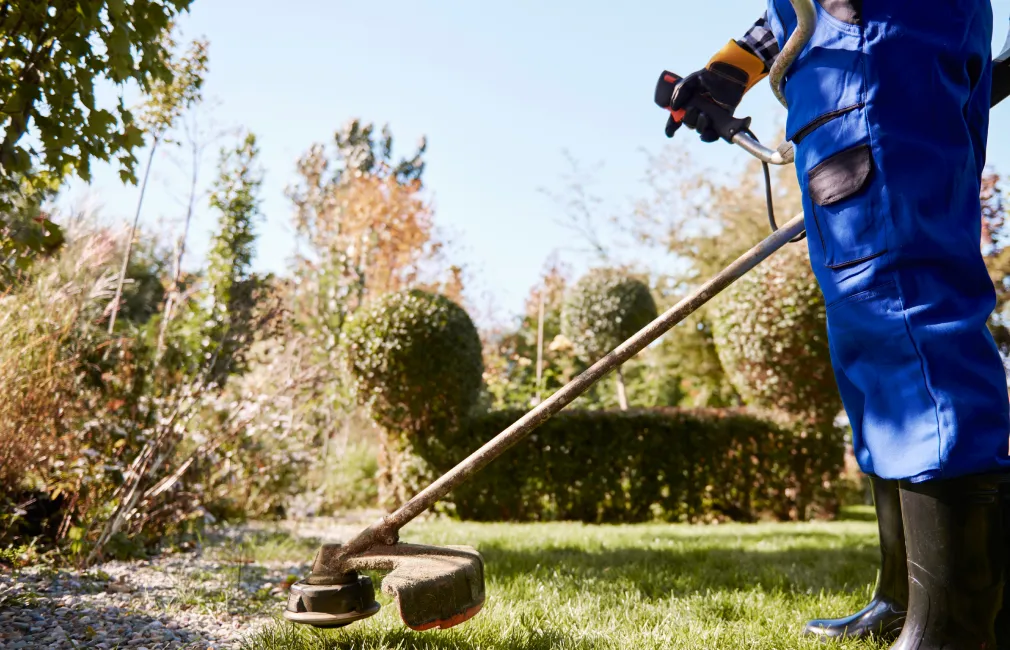
Edging and Trimming
-
Seasonal Lawn Maintenance
-
Lawn Clipping Removal
Our Lawn Mowing Process
Site Evaluation
Lawn Preparation
Mowing Execution
Edging and Trimming
Cleanup
Why Choose South Windsor Landscape Services
-
South Windsor Homeowners Trust Us
-
Expert Lawn Maintenance
-
Reliable Seasonal Cleanups
-
Competitive Pricing
-
Professional Team
-
Satisfaction Guarantee
-
Personalized Service
South Windsor’s Glacial Till Soils and Mowing Best Practices
South Windsor’s predominant soils, including Windsor loamy sand and Paxton fine sandy loam, are derived from glacial till and exhibit moderate to poor drainage with pH values typically ranging from 5.5 to 6.5. These conditions require careful lawn mowing management to prevent soil compaction and turf stress. For optimal turf health, mow Kentucky bluegrass and perennial ryegrass at a height of 2.5–3.5 inches, never removing more than one-third of the blade at a time. Core aeration to a depth of 2–3 inches is recommended every 2–3 years, especially in compacted areas. Soil testing is available through UConn Extension for $15–25 per sample. For detailed soil mapping, consult the USDA Web Soil Survey.
South Windsor Department of Public Works
1540 Sullivan Avenue, South Windsor, CT 06074
Phone: (860) 644-2511
Official Website: South Windsor Department of Public Works
Equipment Operation Hours and Noise Ordinance Compliance in South Windsor
Lawn mowing in South Windsor is regulated by municipal noise ordinances to ensure community well-being. Equipment operation is permitted during the following hours:
- Monday–Friday: 7:00 AM – 7:00 PM
- Saturday: 8:00 AM – 6:00 PM
- Sunday and holidays: Prohibited All commercial mowers must maintain mufflers in working condition, and noise levels should not exceed 85 decibels at the property line. Operators are required to use ANSI Z87.1 safety glasses, hearing protection for equipment over 85 dB, and steel-toed boots. For work near public roads, advance warning signs and safety cones are mandatory. For questions regarding compliance, contact:
South Windsor Police Department
151 Sand Hill Road, South Windsor, CT 06074
Phone: (860) 644-2551
Official Website: South Windsor Police Department
Yard Waste Collection and Clipping Disposal Procedures in South Windsor
Proper disposal of grass clippings and yard waste is essential for environmental compliance and municipal efficiency. South Windsor provides weekly curbside yard waste collection every Thursday from April through November. Residents must use biodegradable paper bags or reusable bins (32-gallon maximum); plastic bags and branches over 4 inches in diameter are prohibited. Accepted materials include grass clippings, leaves, and brush under 4 feet in length. Clippings must not be deposited in storm drains, as required by the town’s MS4 permit under the Clean Water Act. For additional information on collection schedules and accepted materials:
South Windsor Department of Public Works
1540 Sullivan Avenue, South Windsor, CT 06074
Phone: (860) 644-2511
Official Website: South Windsor Department of Public Works
Environmental Buffer Zones and Wetland Protections for Lawn Mowing
South Windsor contains numerous wetlands, streams, and conservation areas, including the Podunk River corridor and Nevers Park. Mowing within 25 feet of designated wetlands is prohibited to protect sensitive habitats, in accordance with local and state regulations. The Connecticut Environmental Protection Act and the town’s MS4 permit require maintenance of no-disturbance zones and prohibit fertilizer or pesticide application within 50 feet of water bodies. For properties adjacent to wetlands, consult the South Windsor Conservation and Inland Wetlands Commission for site-specific requirements and permit procedures. Buffer zone compliance is critical to prevent runoff and protect water quality.
South Windsor Conservation and Inland Wetlands Commission
1540 Sullivan Avenue, South Windsor, CT 06074
Phone: (860) 644-2511
Official Website: South Windsor Conservation and Inland Wetlands Commission
Seasonal Mowing Timing and Weather Considerations in South Windsor
South Windsor is located in USDA Hardiness Zone 6b, with a typical growing season from mid-April to late October. Optimal mowing begins when soil temperatures reach 50–55°F, usually by April 15, and continues until the first frost, typically in late October. Avoid mowing during periods of drought or after heavy rainfall to prevent soil compaction and turf damage. The National Weather Service provides local forecasts and soil temperature updates. Recommended mowing frequency is weekly during peak growth (May–June, September) and biweekly during slower periods. For up-to-date weather and soil conditions, consult the NWS Boston/Norton office.
What Neighborhoods Do We Serve Throughout South Windsor, CT?
- Wapping: Characterized by mature trees, moderate slopes, and Windsor loamy sand soils, requiring careful mowing to prevent erosion and compaction.
- Pleasant Valley: Features newer developments with larger lots and Paxton fine sandy loam, which can be poorly drained and benefit from regular aeration and proper clipping disposal.
- East Windsor Hill: Historic area with smaller lots, older turf, and proximity to wetlands, necessitating strict buffer compliance and attention to local ordinances.
- Nevers Road/Nevers Park Area: Adjacent to conservation land and recreational fields, with high public use and sensitive habitats, requiring adherence to mowing setbacks and noise restrictions.
- Ellington Road Corridor: Mix of commercial and residential properties, compacted urban soils, and increased traffic, demanding careful scheduling and safety protocols.
- Avery Street Area: Suburban neighborhood with variable lot sizes, moderate tree cover, and occasional drainage challenges, making regular maintenance and stormwater compliance essential.